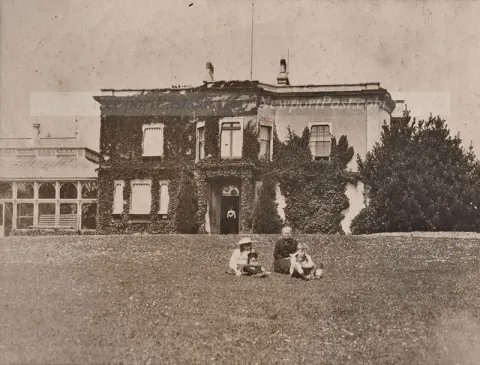
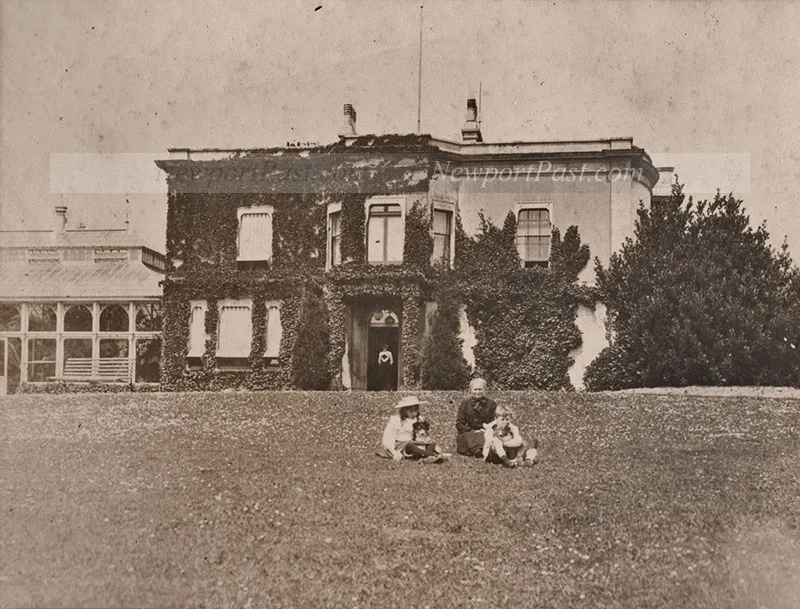
Brynglas House: A Hillside Landmark Name in Newport's Story
On the green slopes west of the city centre, where Newport begins to climb away from the River Usk, the name Brynglas has long been part of everyday local life. Many people know it from the road tunnels beneath the hill, yet the name also belongs to Brynglas House, a building that links the modern city with an older, more rural Newport.
What the Name Tells Us
Brynglas is Welsh, and it describes the landscape neatly. Bryn means hill, while glas can mean green, blue or grey-green, so the name is often read as ‘green hill’. It is a fitting label for a rise of land that looks out over the Usk valley and the city below.
Welsh place names like this one are small historical documents. They show how the area was seen before suburbs, dual carriageways and motorway engineering reshaped it, and they remind us that Newport’s story is rooted in Welsh language and landscape as well as in industry.
The Setting: Hillside Above the Usk
Newport has always been defined by its river. The Usk shaped the town’s medieval trade, its later docks and its bridges, and the higher ground on either side offered views, fresh air and space. Brynglas sits on that higher ground, close to the western approaches of the city and within reach of both the centre and the villages beyond.
That position explains why the hill attracted housing. In the nineteenth century, as Newport grew rapidly on the back of coal, iron and shipping, prosperous families and professionals often chose to live a little above the bustle of the town. Larger houses with gardens, set on elevated sites, were a familiar feature of this pattern across South Wales.
Brynglas House in Context
Brynglas House belongs to this story of hillside living and the changes that followed. Like many substantial houses on the edges of Welsh towns, buildings of this type often passed through several chapters: private family home, then institutional or community use, then, in some cases, redevelopment as the surrounding land filled with new streets.
It is worth being clear about what can and cannot be said with confidence. Detailed, easily verified records of individual dates, owners and alterations are not widely published, so this article avoids guessing at specifics. What can be said is that the house is part of the Brynglas locality, and that its story is best understood alongside the growth of western Newport.
A Neighbourhood Transformed
The twentieth century brought major change to the hill. Newport’s population expanded, new housing spread across former open land, and the arrival of the M4 corridor transformed how the city connected with the rest of Wales. The Brynglas Tunnels, which carry the motorway beneath the hillside, are now among the best-known features of the area and a daily point of reference for drivers.
For residents, this has meant living beside one of the busiest routes in Wales while still having green space and community life close at hand. The name Brynglas now carries both meanings: a quiet hillside heritage and a modern transport landmark.
Why It Matters Today
Buildings like Brynglas House matter because they show how the city developed beyond its famous set pieces. Newport is rightly proud of the Transporter Bridge, the Chartist story and the Roman remains at Caerleon, but ordinary houses, lanes and hillside names fill in the picture of how people lived, worked and moved around.
- Heritage of place: the Welsh name keeps a link to the original landscape.
- Social history: houses of this kind reflect the rise of a prosperous Victorian Newport.
- Urban change: the surrounding area shows how housing and major roads reshaped the city.
How to Research the House Yourself
Anyone who wants firm dates and details can follow several practical routes. Local history collections, historic maps and street directories often reveal when a house first appears and who lived there. Census returns and electoral registers help to build a picture of its occupants over time.
- Visit Newport’s local studies resources and ask staff about Brynglas and its surrounding streets.
- Compare historic Ordnance Survey maps to see how the site and its grounds changed.
- Check planning and listed-building records held by the council and Welsh heritage bodies.
- Speak to long-standing residents, whose memories often add details that never reached print.
A Name Worth Remembering
Brynglas House may not have the fame of Newport’s great bridges or its castle, but it is part of the fabric of the city. Its name echoes the green hill that gave the area its identity, and its setting reflects Newport’s growth from a river port into a modern city.
Next time you pass beneath the hill or walk its streets, take a moment to look up at the slopes above the Usk. Behind the traffic and the terraces lies a layer of local history that is well worth uncovering, and that gives Newport much of its character.