Newport Docks: The Working Port That Powered South Wales
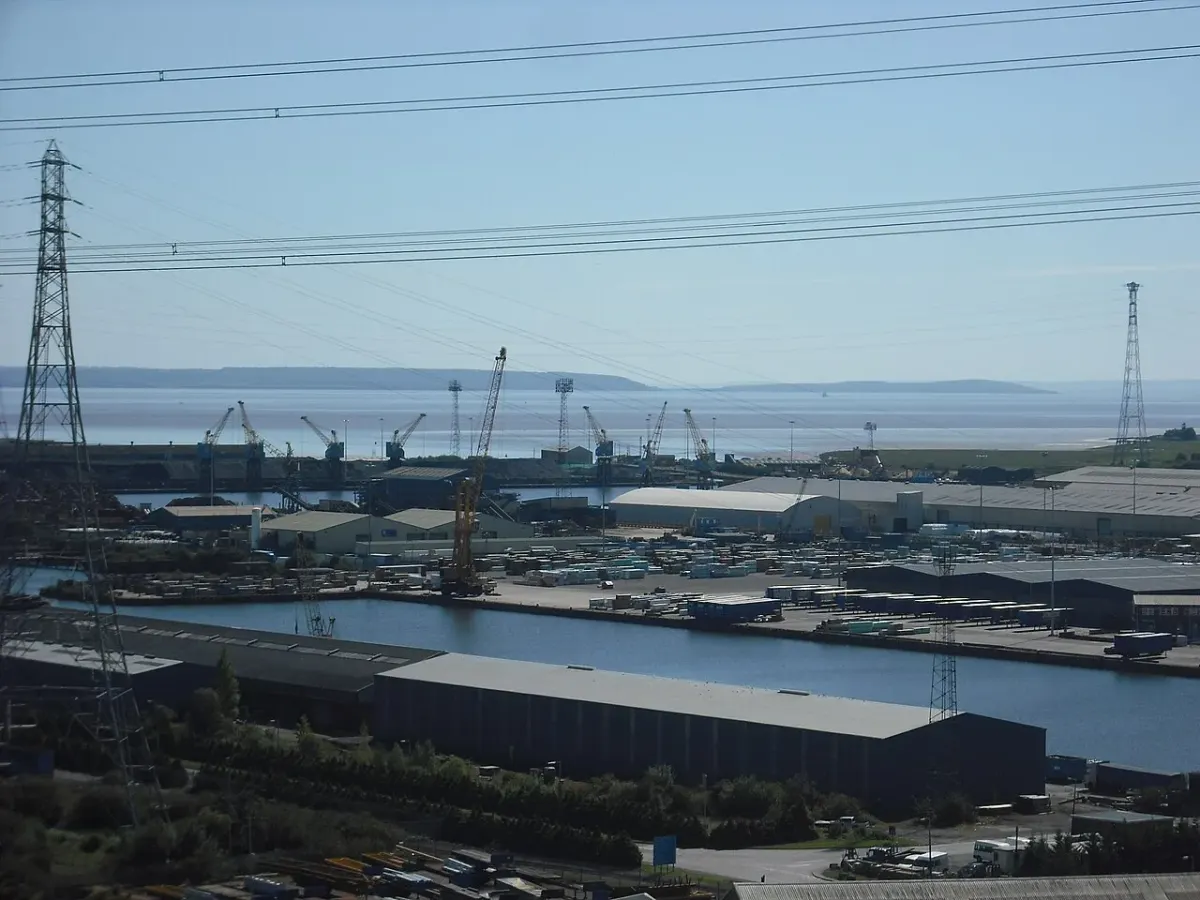
Where the River Usk meets the muddy, fast-moving waters of the Severn Estuary, Newport's working port still hums with cranes, cargo ships and rail wagons. Newport Docks is not a postcard harbour with pleasure boats, but it is one of the reasons the city exists in its modern form, and it remains a proud symbol of Welsh industry.
Why Newport Became a Port
Newport's position made it a natural gateway. The Usk gave access to the sea, while the valleys of Monmouthshire and the wider South Wales coalfield sat just to the north. In the early nineteenth century, canals and tramroads carried coal and iron downhill to the riverside quays.
The Severn Estuary also brings one of the highest tidal ranges in the world. That is a challenge for any port, and it is why enclosed docks, where water levels can be held steady behind lock gates, were so valuable.
The Victorian Dock Builders
The Town Dock
As trade grew, the old riverside wharves could no longer cope. The Town Dock opened in 1842, giving ships a more reliable place to load. The Morgan family of Tredegar House, led in these years by Sir Charles Morgan, were among the most influential backers of Newport's dock development. Their influence is one reason the family name still appears around the city.
Alexandra Dock
The big leap came with Alexandra Dock, which opened in 1875 and was enlarged with a South Dock in 1893. Built to handle large volumes of coal and ever bigger vessels, it was linked directly into the railway network. Rail and sea worked as one system, with wagons from the valleys running straight to the quayside.
The Alexandra company was later absorbed into the Great Western Railway, part of the wider consolidation of Britain's railways in the early 1920s.
Life Around the Docks
A port on this scale shaped the streets around it. The Pillgwenlly district, known locally as Pill, grew up beside the docks and became one of the city's most diverse communities. Sailors, dockers, shipping agents and workers from many countries passed through, and families from around the world settled there.
The docks also supported a web of related trades, including:
- shipbuilding and repair, with dry docks serving visiting vessels
- coal trimmers and dockers who loaded cargo by hand and by machine
- railway crews and signallers on the dock lines
- chandlers, pubs, lodging houses and shops serving seafarers
The Newport Transporter Bridge, opened in 1906, helped link the working communities on either side of the Usk, and still stands close to the dockland story.
Change in the Twentieth Century
Coal was the foundation of Newport's early prosperity, but it did not last for ever. As the coal industry declined through the twentieth century, the port had to adapt. Imports and exports of other bulk goods, metals and general cargo became increasingly important, supported by nearby steel-making and manufacturing.
The docks passed through public ownership, with the nationalisation of Britain's ports after the Second World War, before returning to private hands in the 1980s. Today the port is operated by Associated British Ports.
Newport Docks Today
Modern Newport Docks is a busy commercial port, not a heritage attraction, and access to the working areas is restricted for safety and security. The cargoes have changed over time, but steel, bulk goods and other freight remain central to its business, and the port still has rail and road links that would have impressed its Victorian planners.
Much of