Newport Wetlands: A Wild Welsh Haven Beside the Severn Estuary
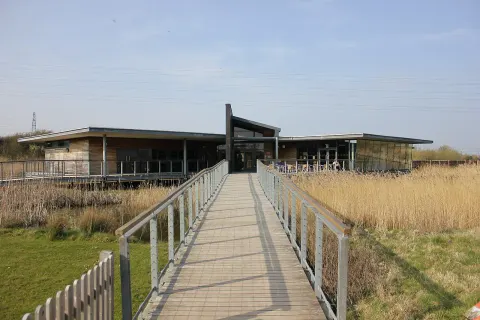
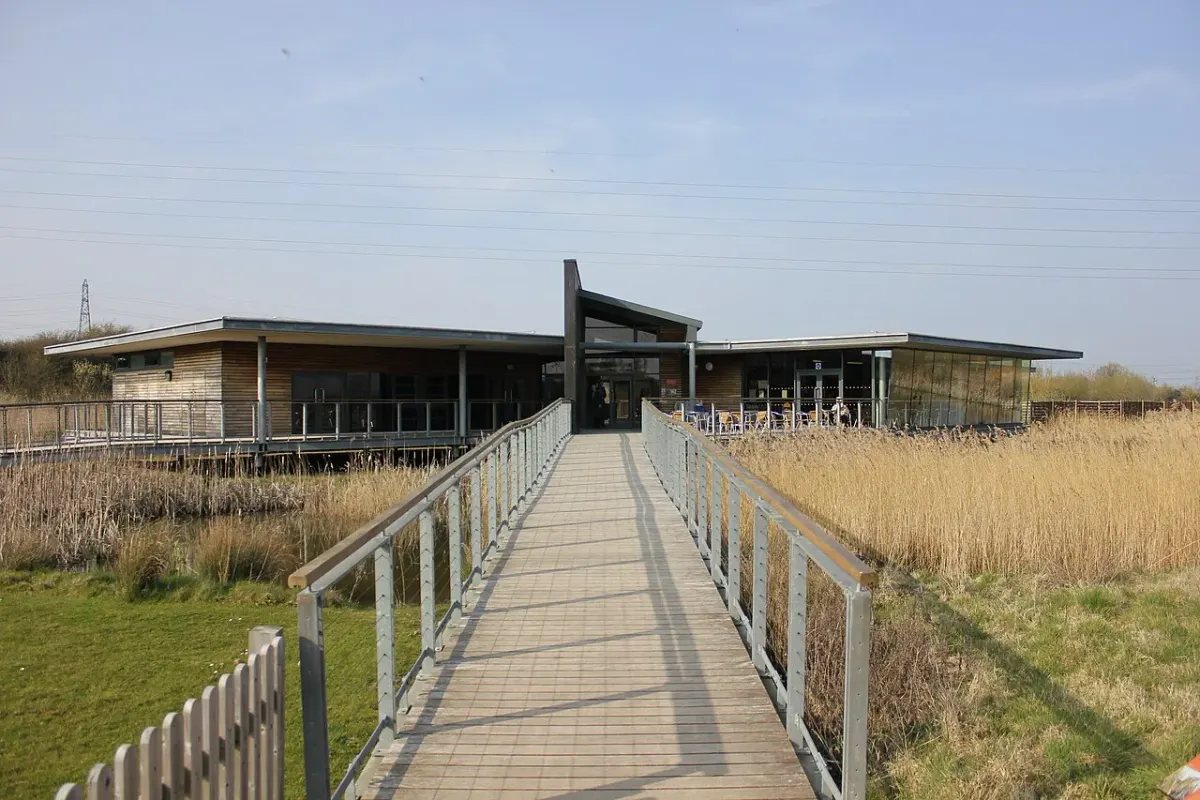
Where Newport's edges soften into wide skies and salt-tinged air, the Severn Estuary glints beyond a ribbon of whispering reeds. This is Newport Wetlands, a nature reserve on the Gwent Levels where lagoons, reedbeds and wet grassland shelter wildlife and give visitors a calm escape just minutes from the city.
A Landscape Shaped by People and Tides
The Gwent Levels are a low-lying coastal plain along the northern shore of the Severn Estuary. Much of the land was won from the sea over many centuries, with a tradition of reclamation that is often traced back to Roman times and continued through the medieval period. The result is a patchwork of fields divided by reens, the drainage ditches that still carry water across the plain.
The estuary itself is part of the story. The Severn has one of the highest tidal ranges in the world, and its shifting mudflats feed huge numbers of wading birds and wildfowl. The Levels sit right beside that tidal drama, which is why they are so valuable for wildlife.
How the Reserve Came to Be
Newport Wetlands is a fairly young reserve, created around the turn of the millennium. It was set up partly to make up for the loss of estuary habitat that followed the building of the Cardiff Bay Barrage, which changed the mudflats of that part of the coast. Rather than simply protecting what remained, planners and conservationists chose to build new habitat nearby.
The new reserve lies close to the mouth of the River Usk, beside the old industrial landmarks of the shoreline. Shallow lagoons were shaped, reedbeds were encouraged and grazing marsh was managed so that water levels suit different species through the year. Today the site is looked after by Natural Resources Wales, and its national importance is recognised through its status as a National Nature Reserve.
What You Will See
Reedbeds
Reeds are the reserve's signature. These dense, rustling stands provide cover for secretive birds, and they are among the most important habitats on site. Listen for the explosive song of Cetti's warbler, and keep an eye out for bearded tits flitting between stems on calm days. Marsh harriers are sometimes seen quartering low over the reeds.
Lagoons and Wet Grassland
The open water and muddy margins attract waders and wildfowl. Depending on the season, you might spot:
- Avocets, with their upturned bills and black-and-white plumage
- Lapwings and redshanks feeding on the shallows
- Shelducks and other ducks, including wintering species
- Little egrets