Newport Heritage Trail: Roman Isca to the Chartists
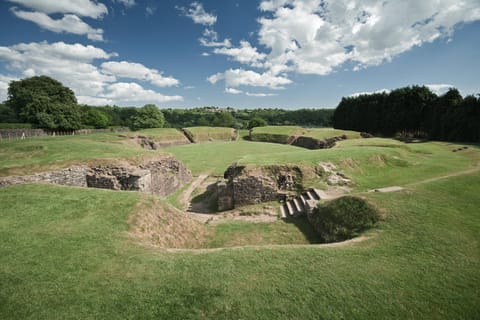
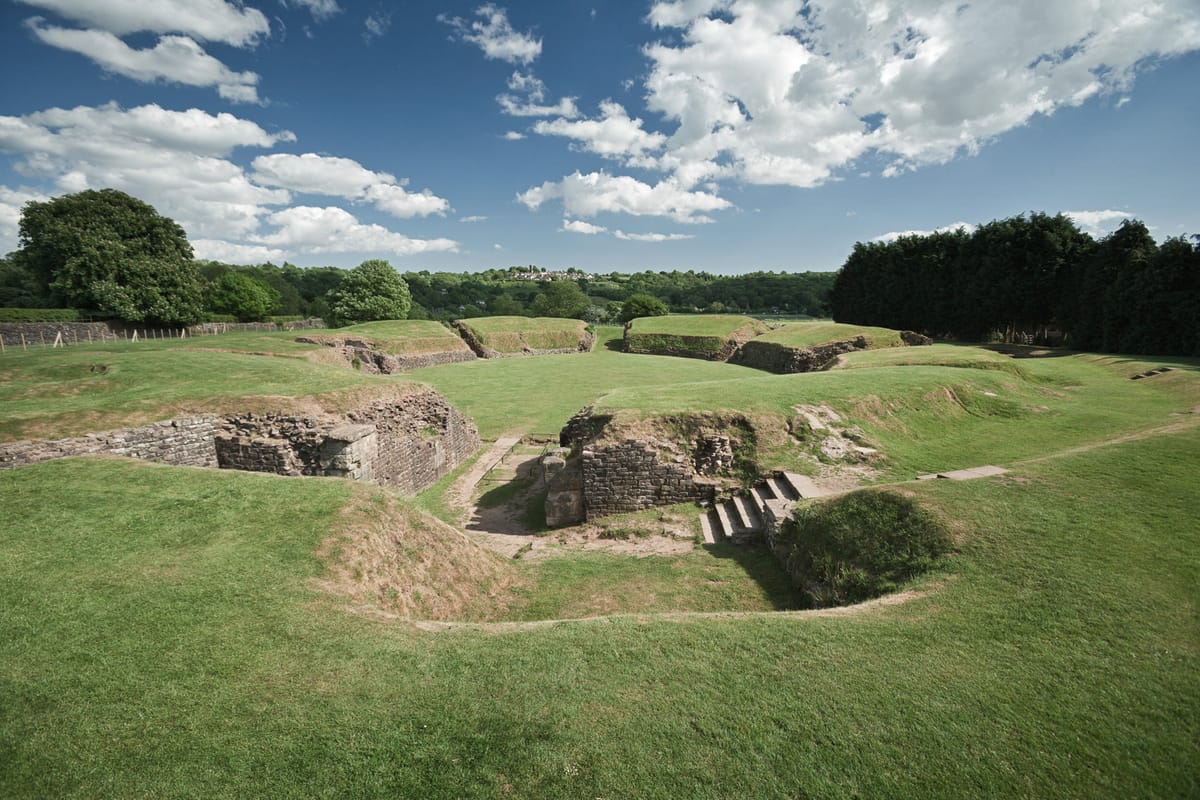
On a bright morning beside the River Usk, the grass-banked oval of the Roman amphitheatre at Caerleon looks much as it has for centuries. Eight miles or so downstream, bullet marks still pit the stonework of the Westgate Hotel in the city centre. Between these two places lie almost two thousand years of history, and a Newport heritage trail is the idea that ties them together: clear signposts, accessible stories and a route that visitors and locals can follow on foot.
Why Newport Needs a Joined-Up Trail
Newport has no shortage of heritage. It has a Roman legionary fortress, a medieval castle, a Cathedral on Stow Hill, a Victorian dock town and one of the most important political uprisings in Welsh history. The challenge has always been connection. Caerleon and the city centre sit several miles apart, and each has its own character and visitor following.
A heritage trail answers that by giving the stories a thread. Waymarkers, interpretation panels and printed or digital guides let people move from one chapter to the next without needing to know the city in advance. For Newport tourism, that matters: visitors who might come for a single attraction can be encouraged to see the wider picture and stay longer.
Roman Isca: Where the Story Begins
The legionary fortress at Caerleon
The first chapter belongs to Roman Isca, known in Latin as Isca Augusta. Built in the 70s AD, it was a permanent base for the Second Augustan Legion and one of only three legionary fortresses in Roman Britain. The legion was stationed here for well over a century and the site became a busy military town.
Today, Caerleon preserves an unusually rich collection of remains: the amphitheatre, the barrack foundations, a stretch of the fortress wall and the Roman Baths, where visitors can still picture legionaries bathing and relaxing. The nearby National Roman Legion Museum displays the objects of daily life, from armour to everyday tools. Local legend once nicknamed the amphitheatre King Arthur's Round Table, a reminder that Caerleon has inspired storytellers for as long as it has attracted archaeologists.
What the trail adds
Well-placed signage helps visitors understand how these separate sites fitted together as one fortress. It also points them towards the village's later layers, including its church, its bridge and its riverside setting, so Caerleon is seen as a living community and not only an archaeological site.
Medieval and Maritime Newport
Moving downriver, the trail picks up the story of a port town. Newport Castle still overlooks the Usk, and St Woolos Cathedral on Stow Hill carries centuries of worship in its architecture. The discovery of a medieval ship during construction work on the riverbank in 2002 added a remarkable chapter, showing how central the Usk was to trade and travel long before the docks arrived.
The industrial era followed. Coal and iron from the valleys flowed through Newport, the docks expanded and the town grew quickly. The Transporter Bridge, opened in 1906, remains the most striking symbol of that confidence and ingenuity. A trail that includes these landmarks lets visitors see how Newport moved from Roman frontier to Victorian powerhouse.
The Chartists and the Newport Rising
No Newport story is more widely told than that of the Chartists. In the late 1830s, working people across Britain campaigned for political reform, including the vote for working men. On 4 November 1839, marchers converged on Newport, many of them from the valleys, in an event now known as the Newport Rising. Soldiers fired on the crowd outside the Westgate Hotel, and more than twenty people are generally recorded as having died.
The leaders, including John Frost, were later convicted of treason, though their sentence was eventually changed to transportation. In the years that followed, many of the Chartists' demands became part of British political life.
Places to follow the story
- The Westgate Hotel: the scene of the confrontation, with bullet marks still visible in its walls.
- St Woolos Cathedral and churchyard: the burial place of some of those who died, with a memorial in the grounds.
- Newport Museum and Art Gallery: home to an important collection of Chartist material, including weapons, prints and broadsheets.
- The city centre sculptures and artworks: public pieces that bring the march back into the streets where it happened.
Existing Chartist trail markers already guide visitors between some of these places. A wider Newport heritage trail builds on that foundation and sets the Rising alongside the city's other chapters rather than in isolation.
Why It Matters to the Community
A good trail does more than point at old buildings. It gives schools a ready-made outdoor classroom, offers residents a fresh look at familiar streets and supports local cafes, pubs and shops along the route. It also fits neatly with the city's wider regeneration, encouraging people to explore the riverside, the city centre and the villages beyond.
Above all, it expresses Welsh pride in a place that has often been overlooked. Newport's history is not a single story but many, from legionaries on the Usk to ordinary people who marched for a say in how they were governed.
Walking It Today
Visitors can already piece the journey together. Begin at Caerleon with the fortress, baths and museum. Head into the city for the Cathedral, the castle remains and the Chartist sites around the Westgate. Finish at the Transporter Bridge to see the industrial age in iron. Wear comfortable shoes, allow plenty of time and look out for the markers along the way. Each one marks another page in a story that Newport is rightly proud to tell.